NICET HCI Level I Certification: A Comprehensive Guide
Highway Construction Inspection Level I is the credential that gets you onto a DOT jobsite. What it covers, who needs it, what it costs, and how long it really takes to prepare.
 Karthik Maram
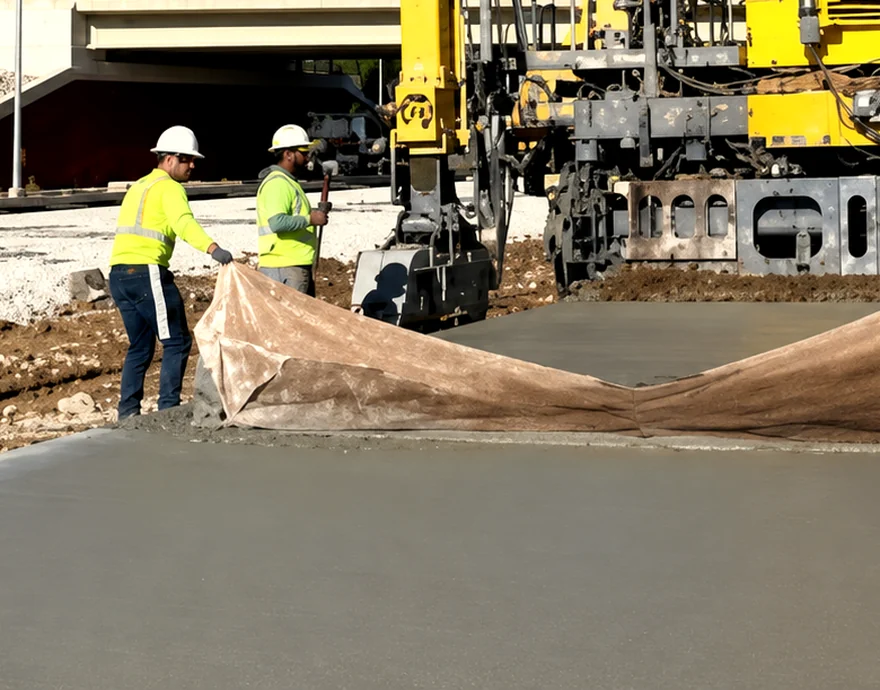
The NICET Highway Construction Inspection (HCI) Level I Certification is an essential qualification for individuals looking to build a career in highway construction and infrastructure inspection in the United States. Offered by the National Institute for Certification in Engineering Technologies (NICET), this certification validates foundational knowledge, practical inspection skills, and safety awareness — all of which are critical for ensuring the construction of high-quality and safe roadways.
Why is NICET HCI Level I Certification Needed?
Highway construction projects are complex, involving heavy machinery, vast budgets, strict safety standards, and a demand for precise quality control. An untrained or underqualified inspector can lead to errors, accidents, cost overruns, or structural failure. The NICET HCI Level I certification addresses this gap by ensuring inspectors:
- Possess fundamental knowledge of materials, plans, and inspection techniques.
- Understand construction documentation and safety regulations.
- Can accurately monitor, measure, and report construction activity.
- Are capable of ensuring compliance with AASHTO, ASTM, ACI, and OSHA standards.
Who Needs This Certification?
- Entry-level highway construction inspectors.
- Engineering technicians and assistants.
- Civil engineering students or graduates seeking U.S. infrastructure inspection roles.
- Construction supervisors or quality engineers transitioning into inspection.
- DOT contractors and subcontractors requiring credentialed personnel.
How Long Does It Take to Prepare?
- Newcomers with no field experience: 2–3 months of regular study and practice.
- Engineering or construction graduates: 1–2 months may be sufficient.
- Experienced professionals: 2–4 weeks of focused preparation could be enough.
Studying should focus on both technical knowledge and field application, using resources like NICET's content outlines, practice tests, inspection manuals, and online courses.
What Is the Cost?
NICET certification costs are as follows (as of 2025):
- Exam fee: $230 for Level I.
- Recertification: Every 3 years; fees apply.
How to Apply?
- Create a NICET account at nicet.org.
- Submit an application for the HCI Level I certification.
- Schedule the exam via NICET's testing partner (Pearson VUE).
- Prepare and take the exam at a test center or via online proctoring (if available).
- Submit work history and endorsements (if required for higher levels).
Advantages of Earning NICET HCI Level I
- ✅ Industry recognition — NICET is a nationally respected credentialing body. Certified inspectors are preferred by DOTs, engineering firms, and construction contractors.
- ✅ Career opportunities and better pay — Qualify for roles like Highway Inspector, QA/QC, and Field Engineer. Certified professionals are eligible for promotions.
- ✅ Pathway to advancement — Level I is the foundation. You can pursue Levels II, III, and IV for higher responsibilities.
- ✅ Compliance — Many government contracts require NICET-certified inspectors on-site.
Syllabus & Topics Covered
The NICET HCI Level I exam tests foundational knowledge in the following areas:
🧾 Plans and specifications
- Interpreting construction drawings and blueprints.
- Common terminology in highway construction.
- Key documents: scope, schedule, budget, stakeholder communication, etc.
- Understanding AASHTO, ASTM, ACI, OSHA standards.
📏 Measurement and surveys
- Units and conversions: SI and Imperial.
- Basic calculations: length, area, volume, weight, mass, pressure, temperature.
- Tools for site measurement and reporting.
🔧 Tools and equipment
- Identification and use of field inspection tools.
- Surveying instruments.
- Construction equipment and its functions.
🦺 Personal safety
- Use and importance of PPE.
- Identifying safety hazards and sources of safety regulations (OSHA).
- Field safety protocols and hazard reporting.
🚧 Site operations
- Traffic control zone components.
- Common construction activities: grading, paving, striping, compaction, etc.
🌱 Environmental issues
- Erosion and sediment control measures.
- Stormwater management practices.
🔌 Utilities
- Types and markings (water, sewer, gas, electric, communication).
- Dig-safe processes and pre-construction utility checks.
Student Learning Outcomes
After completion, candidates will be able to:
- Understand key concepts related to highway construction inspection.
- Identify construction issues and apply corrective actions.
- Interpret materials behavior from test results.
- Apply modern inspection procedures and safety standards.
- Provide quality oversight on active road projects.
Final Thoughts
The NICET HCI Level I certification is a powerful credential for anyone pursuing a career in civil infrastructure. It demonstrates readiness, professionalism, and a commitment to quality and safety in one of the most critical sectors of construction. Whether you're just starting out or looking to validate your experience, NICET HCI Level I opens the door to career growth, better job security, and industry recognition.
Originally published on LinkedIn, 27 Jun 2025.